Uncovering the Advantages and Practical Utilizes of Aluminum Castings in Today's Market
Light weight aluminum spreadings have ended up being significantly appropriate in different markets because of their unique characteristics. Their lightweight nature and resistance to corrosion make them ideal for demanding applications. Additionally, the premium strength-to-weight ratio uses substantial benefits in design and manufacturing. As industries continue to discover their possibility, the complete extent of aluminum spreadings' applications and benefits stays to be fully uncovered. What lies ahead for this functional product?
The Lightweight Advantage of Aluminum Castings
Although lots of products are utilized in manufacturing, aluminum castings attract attention largely due to their lightweight buildings. This particular makes light weight aluminum castings an eye-catching selection for numerous sectors, especially in aerospace and vehicle applications, where weight reduction is important for improving fuel efficiency and performance. The light-weight nature of aluminum permits suppliers to develop parts that are much easier to handle and set up, ultimately decreasing labor prices.
The capability to create complicated shapes without substantial weight fines allows developers to innovate while keeping structural honesty. Aluminum castings can properly replace heavier products, resulting in substantial cost savings in shipping and operational prices. Their light-weight advantage additionally adds to improved item durability, as lighter parts frequently lead to reduced damage on equipment. Generally, the lightweight properties of light weight aluminum castings supply manufacturers with an affordable side, cultivating improvements in product style and effectiveness across different fields.
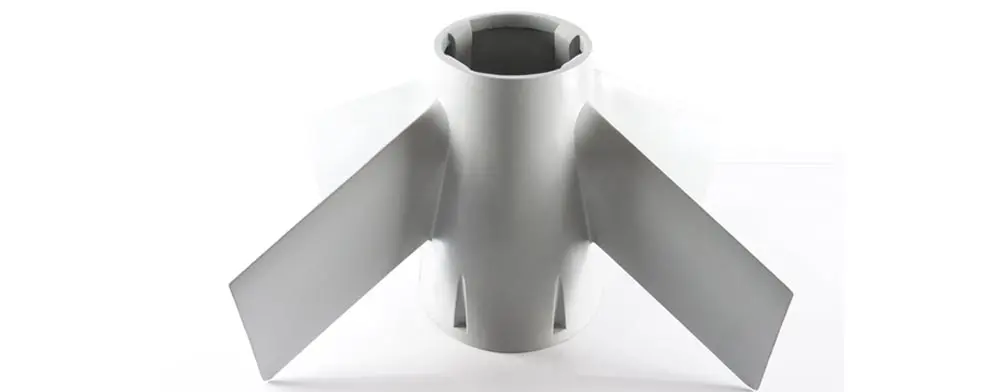
Exceptional Rust Resistance
Light weight aluminum castings possess an all-natural resistance to oxidation, which significantly boosts their longevity in various atmospheres. This intrinsic property not only adds to their toughness but also straightens with the light-weight advantage that aluminum offers. Therefore, light weight aluminum castings are significantly acknowledged for their phenomenal deterioration resistance in many applications.
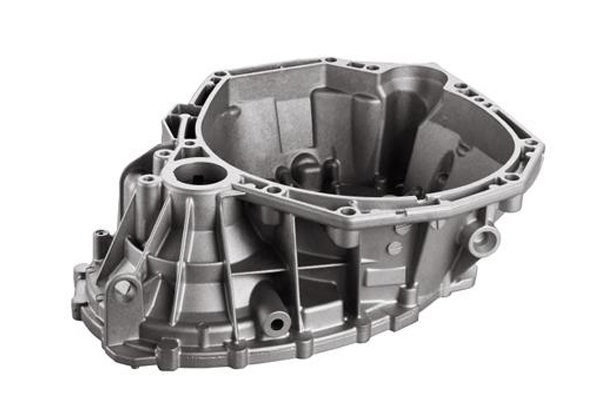
Naturally Immune to Oxidation
Among the standout attributes of light weight aluminum spreadings is their remarkable corrosion resistance, which stems from a natural oxidation process. When revealed to air, aluminum reacts to form a thin, protective layer of light weight aluminum oxide. This layer acts as a barrier versus further oxidation and protects the underlying steel from destructive components such as wetness and salts. Unlike various other steels, this oxide layer is self-repairing; if damaged, it quickly reforms when revealed to air. This one-of-a-kind home enhances the longevity of light weight aluminum castings in different atmospheres, making them perfect for applications in sectors such as aerospace, automotive, and marine. The all-natural resistance to oxidation greatly reduces upkeep costs and enhances the integrity of light weight aluminum spreadings in requiring problems.
Light-weight Resilience Advantage
The lightweight nature of aluminum castings adds significantly to their toughness, making them a beneficial selection in various sectors. This exceptional longevity is mainly credited to light weight aluminum's innate resistance to corrosion, which is boosted additionally through anodizing and other surface therapies. Unlike numerous steels, light weight aluminum does not corrosion; rather, it forms a protective oxide layer that shields it from environmental damage. This residential property is specifically beneficial in markets such as vehicle and aerospace, where weight decrease is important without compromising strength. Furthermore, the longevity of aluminum spreadings lessens maintenance prices and substitutes, providing financial benefits with time. Their lightweight resilience and corrosion resistance position aluminum castings as an exceptional product for modern-day production applications.
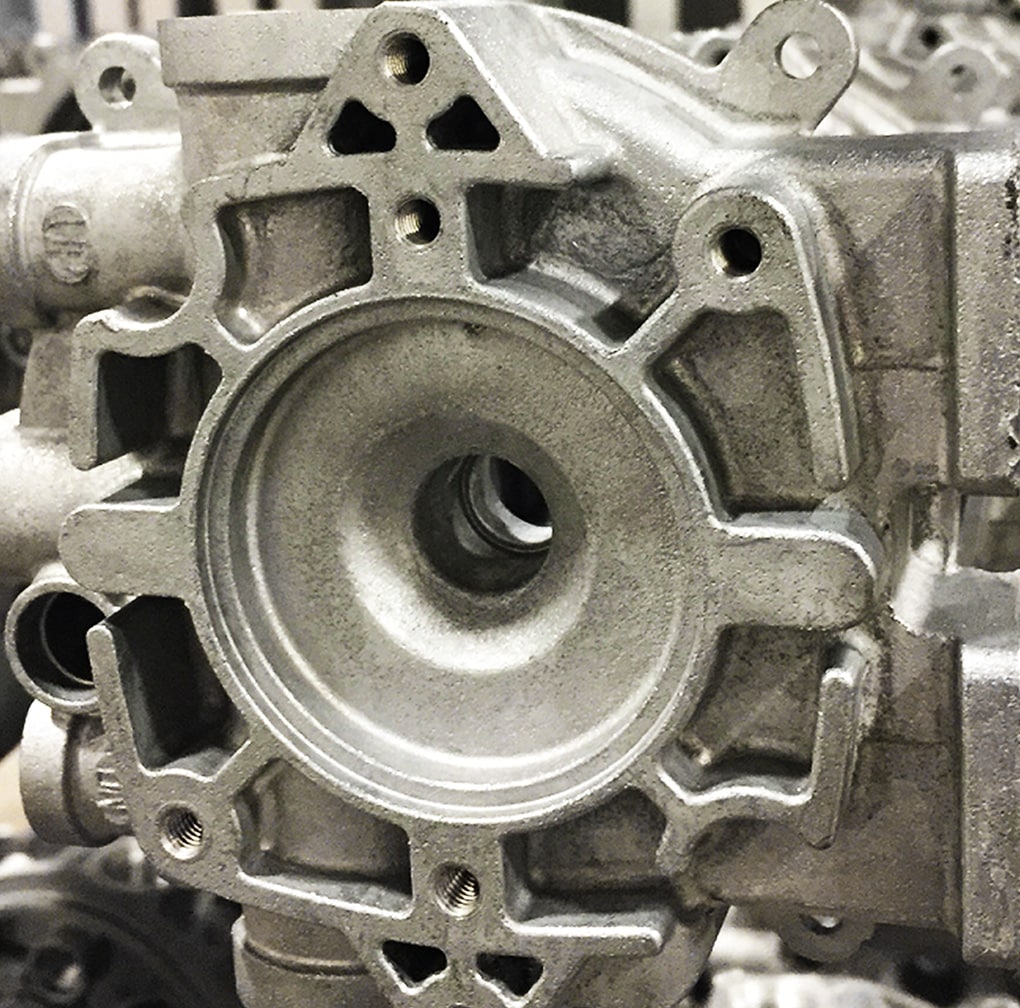
Superior Strength-to-Weight Ratio
An exceptional feature of aluminum castings is their premium strength-to-weight proportion, that makes them highly desirable in various applications. This innate residential or commercial property permits light weight aluminum spreadings to endure significant stress and anxiety while staying light-weight, an essential variable in markets such as aerospace, automotive, and manufacturing. Engineers typically favor light weight aluminum castings for parts that require both longevity and reduced weight, improving gas performance and performance.
The high strength-to-weight proportion likewise facilitates the design of intricate forms and frameworks, making light weight aluminum spreadings versatile for complicated applications. The capability to maintain structural honesty under tough problems assurances durability and reliability in items, from airplane frames to automobile parts. This benefit contributes to the growing pattern of utilizing aluminum castings in cutting-edge layouts, eventually causing improved performance and effectiveness across diverse sectors. The superior strength-to-weight proportion of aluminum castings places them as a crucial material in contemporary design and manufacturing.
Cost-Effectiveness in Manufacturing
Cost-effectiveness in light weight aluminum casting production is mainly attained with minimized material waste and effective manufacturing procedures. By maximizing styles and using sophisticated techniques, producers can decrease excess product use while preserving top quality standards. This technique not just decreases production expenses but additionally adds to much more sustainable methods within the industry.
Decreased Product Waste
Reducing material waste in aluminum spreading procedures greatly boosts production effectiveness. By enhancing the design and manufacturing strategies, companies can minimize excess scrap and enhance resource use. This decrease in waste not just lowers product prices but likewise contributes to an extra sustainable manufacturing model. The capacity to reuse aluminum more assistances cost-effectiveness, allowing makers to reclaim and recycle products without jeopardizing top quality. As the market significantly concentrates on sustainability, decreased material waste lines up with environmental goals while all at once enhancing success. Ultimately, effective use of raw materials enhances the competitive position of services on the market, making aluminum spreadings a favorable choice in various applications. The tactical method to decreasing waste reflects a dedication view website to both ecological and financial responsibility.
Reliable Production Processes
While typical production processes can sustain considerable prices, aluminum casting supplies a much more efficient choice that enhances general production productivity. This method decreases product waste and permits for specific control over the production procedure, bring about lowered labor and operational costs. The ability to produce complex shapes with fewer steps better enhances production, adding to shorter preparations. In addition, aluminum's lightweight nature and superb thermal conductivity allow for power savings during production and in the last application. By using modern spreading modern technologies, suppliers can accomplish greater throughput without sacrificing top quality. Aluminum casting stands out as a cost-effective remedy, making it an attractive option for organizations intending to enhance their manufacturing procedures in today's competitive market.
Adaptability Across Industries
Light weight aluminum spreadings demonstrate exceptional flexibility across different sectors, as they can be customized to satisfy certain demands and applications. In the auto sector, light weight aluminum spreadings are utilized in engine blocks, transmission housings, and wheels, using light-weight yet long lasting solutions that enhance gas performance. The aerospace industry likewise gains from aluminum castings, using them in structural parts and engine parts as a result of their strength-to-weight ratio.
In the consumer goods industry, producers utilize light weight aluminum castings for products varying from cookware to furnishings, offering both visual charm and performance. The electronic devices market uses aluminum castings for housings and heat sinks, making sure efficient thermal monitoring. In addition, the building and construction market leverages light weight aluminum spreadings for architectural components and architectural aspects, improving durability and design versatility. This broad applicability highlights aluminum castings as a vital source, satisfying the varied requirements of different markets while maintaining high efficiency and integrity.
Sustainability and Environmental Effect
As markets increasingly prioritize sustainable techniques, aluminum spreadings become an eco-friendly selection because of their recyclability and low environmental footprint. Light weight aluminum is one of one of the most recycled materials globally, with the capacity to be repurposed numerous times without deterioration of quality. This characteristic greatly lowers the need for basic materials and power consumption related to key aluminum manufacturing, which is energy-intensive.
Additionally, light weight aluminum castings add to light-weight layouts, leading to fuel efficiency in transport applications such as vehicle and aerospace markets. Their longevity and resistance to corrosion prolong item life expectancies, better reducing waste and resource usage gradually. Furthermore, many makers are embracing liable sourcing and eco pleasant manufacturing methods, improving the sustainability of light weight aluminum spreading processes. Generally, light weight aluminum castings stand for a useful remedy for services intending to minimize their environmental influence while accomplishing efficiency view and efficiency.
Innovations in Aluminum Spreading Technologies
Current advancements in aluminum casting innovations have significantly improved the effectiveness and quality of manufacturing procedures. Developments such as 3D printing and advanced mold-making techniques have actually allowed makers to develop complex designs with reduced product waste. This change not only improves the precision of cast elements yet likewise reduces preparations, permitting quick prototyping and faster market entry.
Furthermore, the consolidation of advanced computer system simulations help in anticipating potential issues during spreading, causing higher-quality results (Wisconsin Aluminum Foundry). Using lightweight alloys has additionally added to the growth of more powerful, extra long lasting products, accommodating industries varying from automobile to aerospace
Additionally, automated spreading procedures have actually emerged, minimizing human mistake and increasing production speed. Collectively, these innovations are transforming the aluminum casting landscape, driving greater competition and sustainability in production. As markets proceed to progress, these modern technologies will play a necessary role in conference future needs for performance and quality.
Regularly Asked Concerns
Exactly How Do Aluminum Castings Compare to Various Other Steels in Regards To Thermal Conductivity?
Aluminum castings display exceptional thermal conductivity compared to several metals, such as steel and iron - Aluminum Castings. Their light-weight nature and reliable warmth distribution make them perfect for applications requiring reliable thermal administration in various markets
What Are the Common Problems Found in Light Weight Aluminum Castings?
Typical issues in aluminum spreadings consist of porosity, shrinking, additions, and surface area irregularities. These issues usually arise from incorrect air conditioning prices, poor mold layout, or contaminations, impacting the overall quality and performance of the final product.
Can Light Weight Aluminum Castings Be Recycled, and How?
Aluminum castings can be recycled efficiently. The process involves collecting, melting, and changing the light weight aluminum, which lessens waste and conserves sources. This recycling adds to sustainability while preserving the product's residential properties for future use.
What Are the Regular Lead Times for Light Weight Aluminum Spreading Production?
Typically, lead times for light weight aluminum spreading production range from two to six weeks, depending on factors such as complexity, tooling requirements, and production quantity. Performance can boost with recognized vendor connections and optimized production procedures.
How Does the Surface Finish Affect Aluminum Casting Performance?
The surface area coating noticeably affects aluminum spreading efficiency by affecting corrosion resistance, aesthetic high quality, and friction qualities. A smoother finish boosts toughness and functionality, while a rougher appearance can enhance bond for subsequent finishes or therapies.
Lots of products are made use of in manufacturing, light weight aluminum castings stand out primarily my sources due to their lightweight properties. When revealed to air, aluminum reacts to develop a thin, safety layer of aluminum oxide. Cost-effectiveness in aluminum casting production is mainly accomplished with lowered product waste and efficient production procedures. Reducing product waste in aluminum casting procedures substantially enhances production effectiveness. Inevitably, efficient use of raw materials enhances the affordable position of businesses in the market, making aluminum castings a beneficial option in numerous applications.